
Latest posts
-
That “Terms and Conditions” You Never Read

Be honest: how often do you actually read the terms and conditions before clicking “I agree”? If your answer is “almost never,” you are definitely not alone. You download an app, create an account, buy something online or subscribe to a service, and there it is — a long block of text filled with paragraphs…
-
Why Knowing the Law Is Not Just for Lawyers
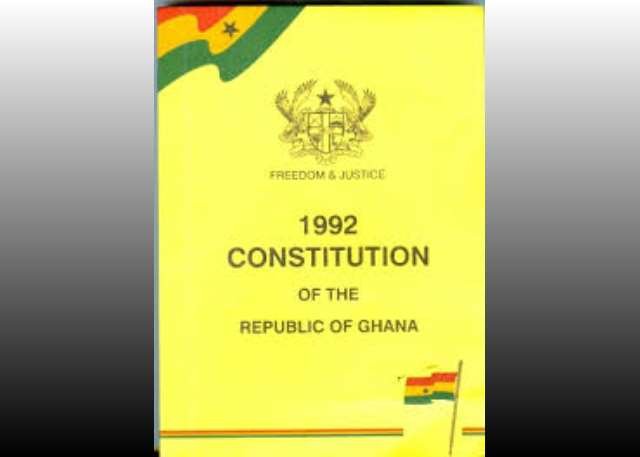
There is a common assumption that the law is something lawyers know and everyone else simply relies on them to explain when trouble arrives. Perhaps that is understandable. The law can be complicated. Legal language can be intimidating. And when people hear words such as jurisdiction, liability, consideration or injunction, it is easy to conclude…
-
The Legal Problems Hiding in Our Everyday Conversations

Most of us speak without thinking too much about the legal consequences of our words. We make promises casually. We agree to things over the phone. We tell someone, “I’ll pay you back next week.” We send messages saying, “Yes, I’ll take it.” We accept jobs, negotiate prices and make arrangements through WhatsApp. It all…
-
When ‘for sale’ doesn’t mean for sale

If you walk past a shop and see a knife displayed in the window with a price tag beside it, you probably won’t stop to ask yourself a legal question. You will simply think: That knife is for sale. But the law can be rather particular about words. In Fisher v Bell, a shopkeeper displayed…
-
You showed up. Where’s your defence?

Imagine you have been sued. You receive the writ of summons, speak to your lawyer and enter an appearance within the required time. You breathe a sigh of relief. At least you’ve responded. But then you do nothing else. No defence is filed. You might think that because you entered appearance, the case cannot move…
-
Can you hold a company to an advertised reward?

Imagine seeing an advert that says: “Use our product, and if you still get influenza, we’ll pay you £100.” You use the product. You still get influenza. So you go back to the company and ask for your £100. Would you expect them to actually pay? That is essentially what happened in Carlill v Carbolic…
-
Can lying about your age get you out of a contract?

Imagine lending money to someone who tells you he is 21. You believe them. You give them the money. Later, you discover that they are actually a minor. And then they tell you: “You can’t enforce the contract against me. I’m a minor.” You might understandably think, But you lied to me. So why should…
-
Silence does not always mean consent

Imagine someone sends you a message saying: “If I don’t hear from you, I’ll assume you agree.” You see the message. You don’t reply. Later, the person tells you, “Well, you agreed. You never said no.” Would that really be enough? Not necessarily. In contract law, silence does not generally amount to acceptance. One party…
-
Can you lose a case without ever going to court?
Most people imagine a lawsuit as a long process involving lawyers, witnesses, cross-examination and a judge delivering a decision after hearing both sides. But sometimes, a case can move in a very different direction. In fact, it is possible to have judgment entered against you before the court ever hears your side of the story.…
-
Too young to make a contract, but old enough to pay

Imagine a 17-year-old walks into a shop, buys something and later refuses to pay for it. “I’m a minor,” they say. “The contract isn’t binding on me.” Sounds like the end of the story, right? Not quite. The law does give minors protection when it comes to contracts. But that protection is not a licence…